
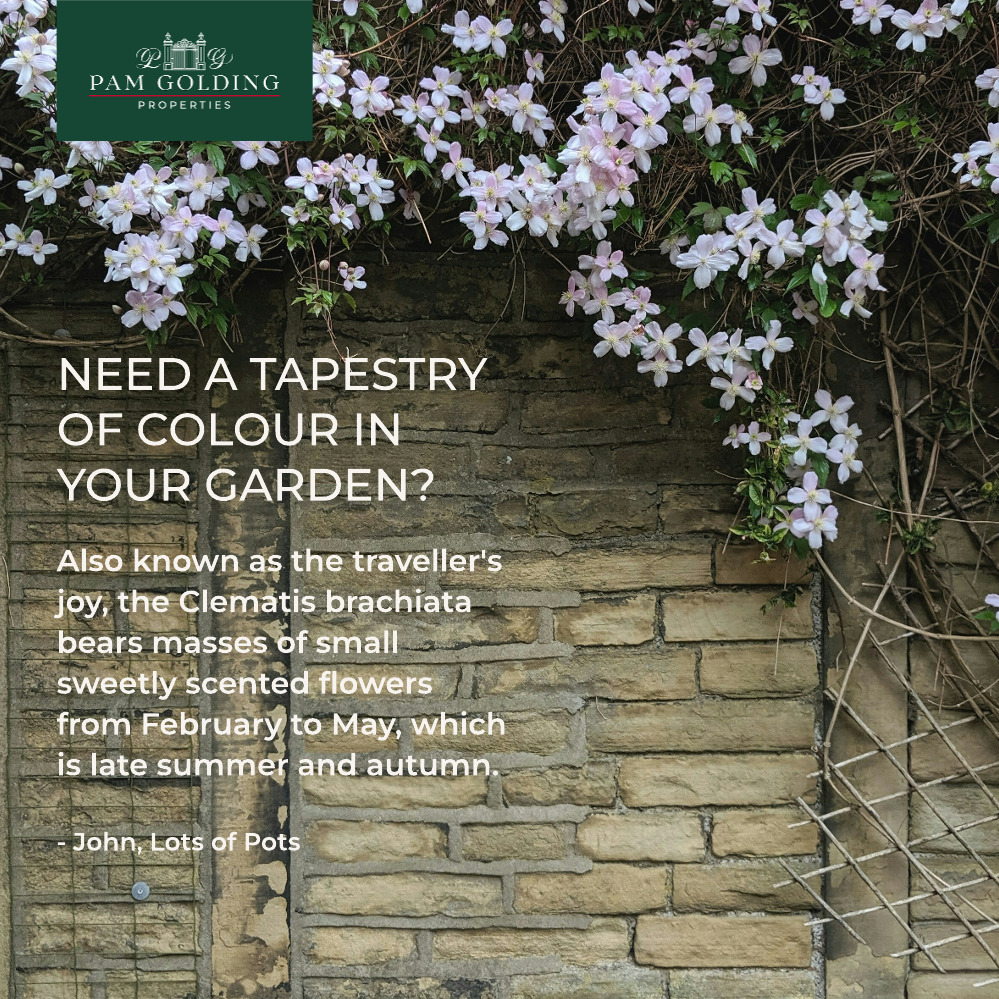
Gardening can be a fulfilling hobby and a source of entertainment. Join John from Lots of Pots as he’ll be guiding us to do just that – enjoy our gardens.
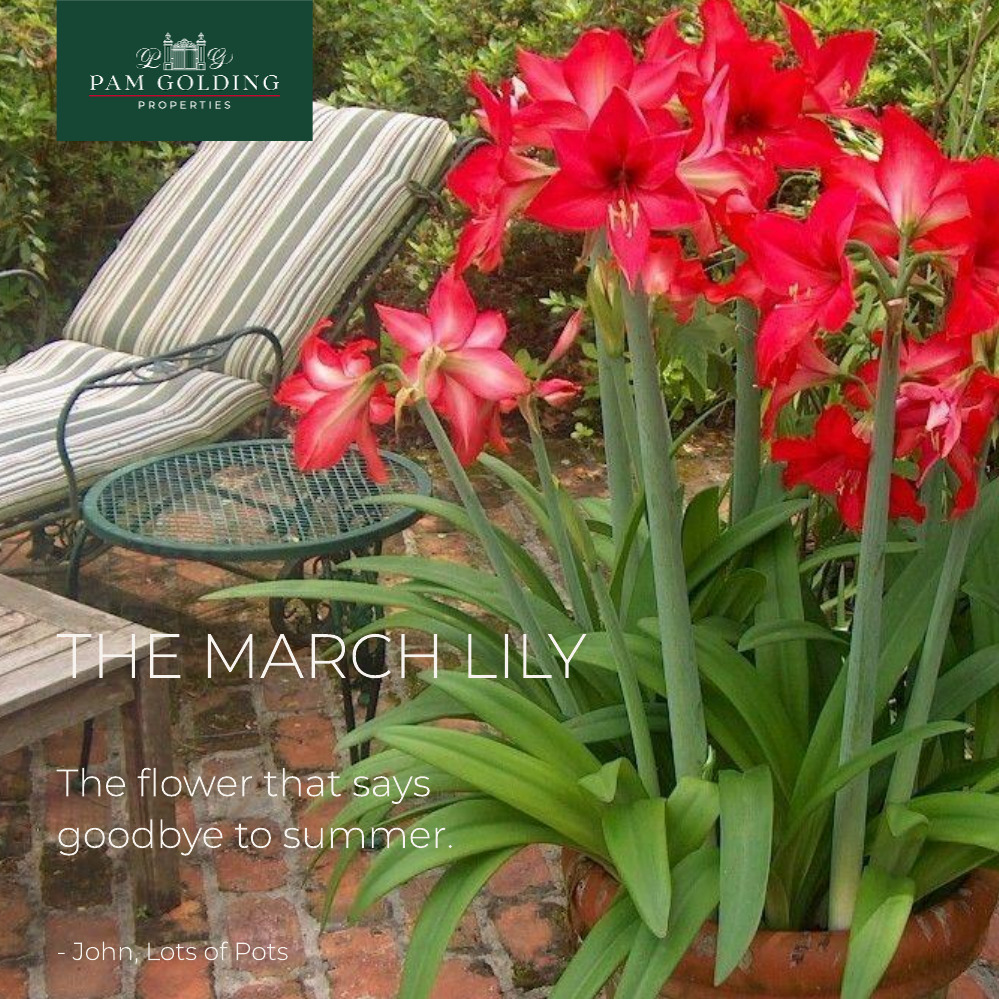
“Offering a burst of colour and a popular choice for cut flowers, Amaryllis can be used in landscaping to create striking focal points in gardens and patios.” advises John from Lots of Pots.
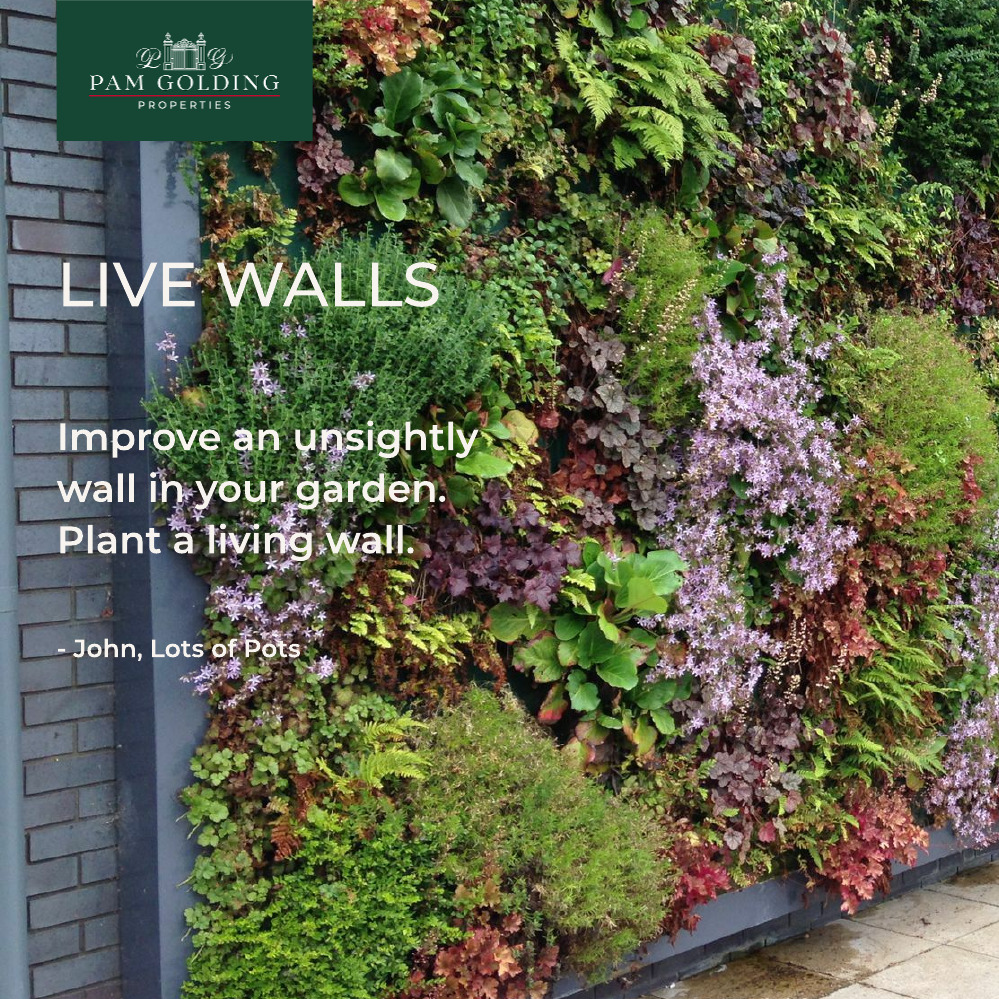
Also referred to as green walls or vertical gardens, living walls can be installed indoors or outdoors to an existing wall or suitable structure. They’re also ideal for bedless green fingers or small spaces. Benefits of a living wall include improved air quality, decrease in ambient temperature, decrease in noise, environment protection, remove air pollutants, reduces stress etc.
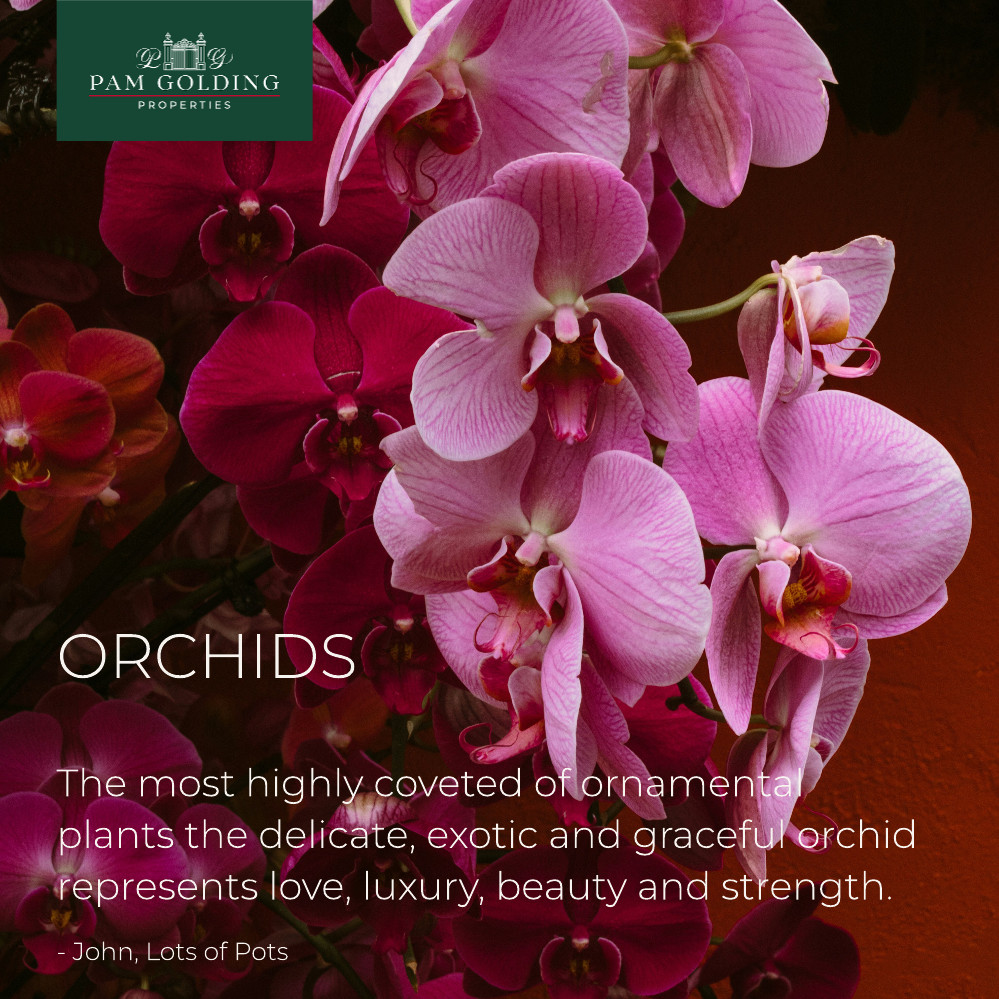
“You’ll soon discover that potted orchids aren’t difficult to grow and will provide you with loads of flowers that last for weeks at a time.” says John from Lots of Pots.
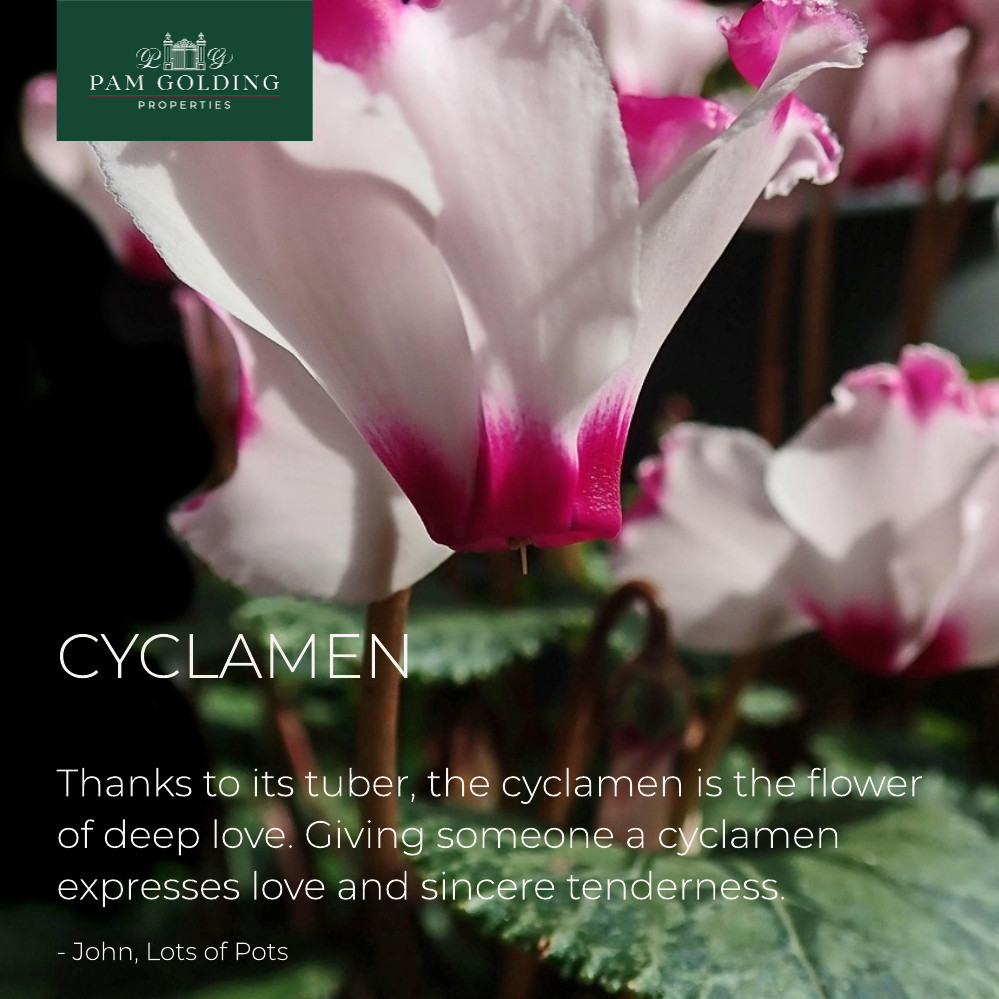
“Cyclamen naturally bloom during the cooler months, primarily in autumn, winter, and early spring, providing color when few other plants are in bloom. When growing cyclamen outdoors, choose a location with partial shade and well-drained soil. For indoor cyclamen, ensure they are in a cool, bright room and avoid placing them in direct sunlight. For a spectacular spring remember to plant the following bulbs in April – ranunculus, anemones, tritonias, ixias, freesias, sparaxis and babianas.” remarks John from Lots of Pots.
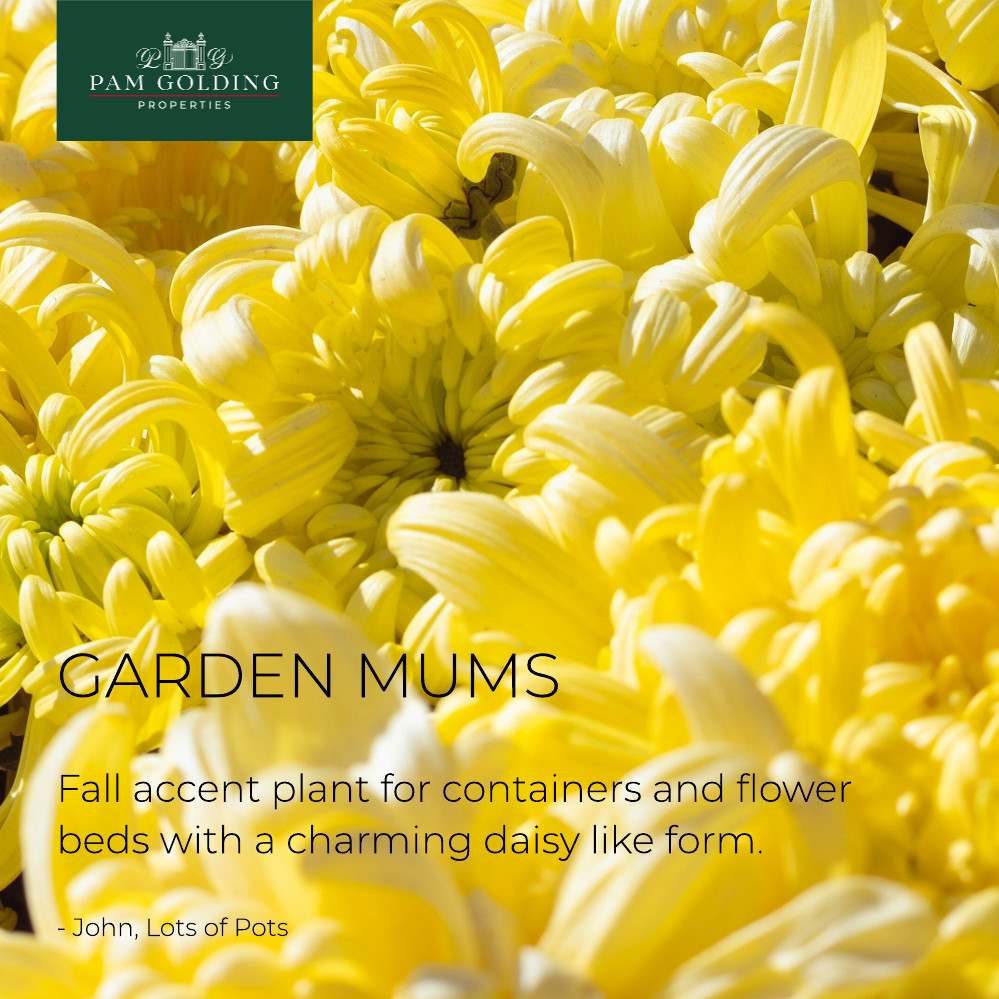
Symbolizing friendship, happiness and well-being, Chrysanthemums offer bursts of colour. These low maintenance plants is a must have which also provides a much needed late season nectar source for butterflies.
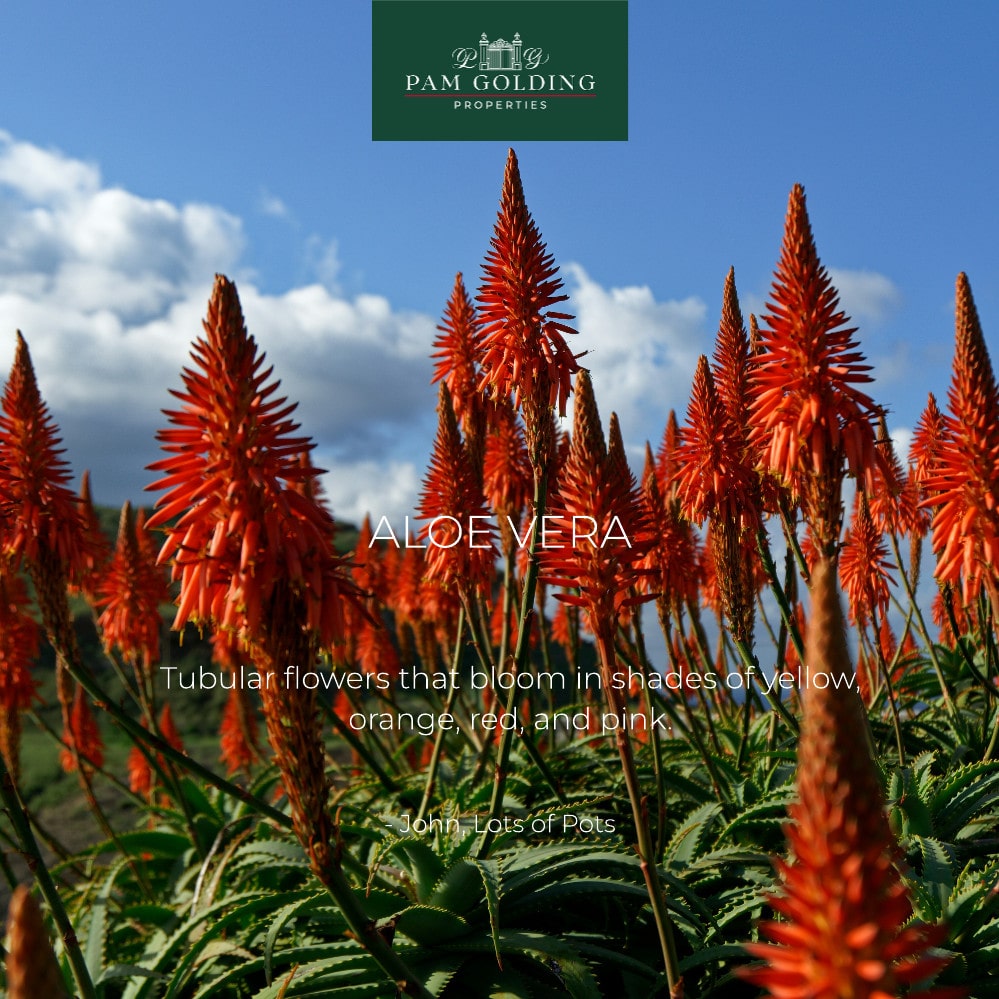
In South Africa the ±155 species of aloe can be found in almost all vegetation types, from the arid to semi-arid regions of the Karoo, the winter rainfall fynbos region, succulent thickets, grassland and savanna, and even in comparatively high-rainfall forests. Aloe Vera is an extremely popular house plant and has been grown for centuries for its purported medicinal properties.
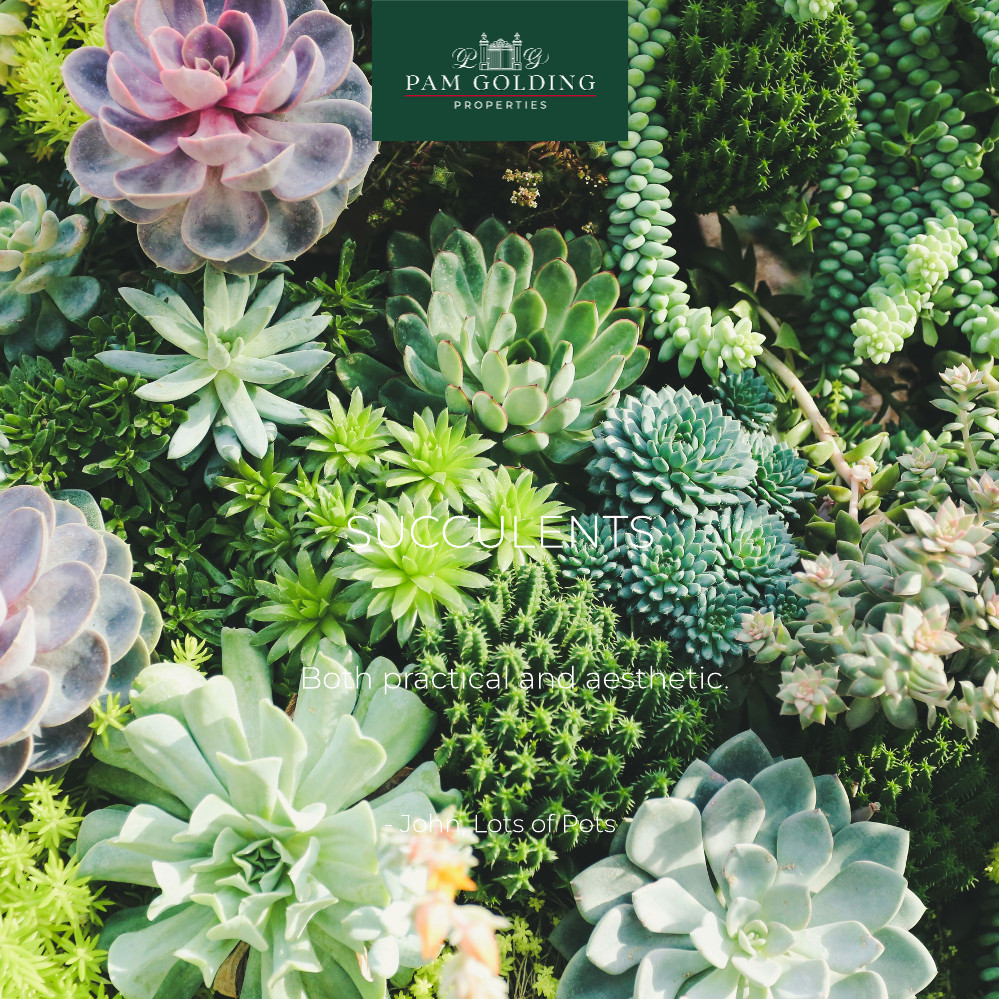
Succulents are commonly used for ground cover, firebreaks and as decorative elements in homes and gardens. Some succulents are also edible and can be used in various culinary applications. Additionally, succulents contribute to air purification, add a touch of nature to indoor spaces and have symbolic meanings in different cultures.
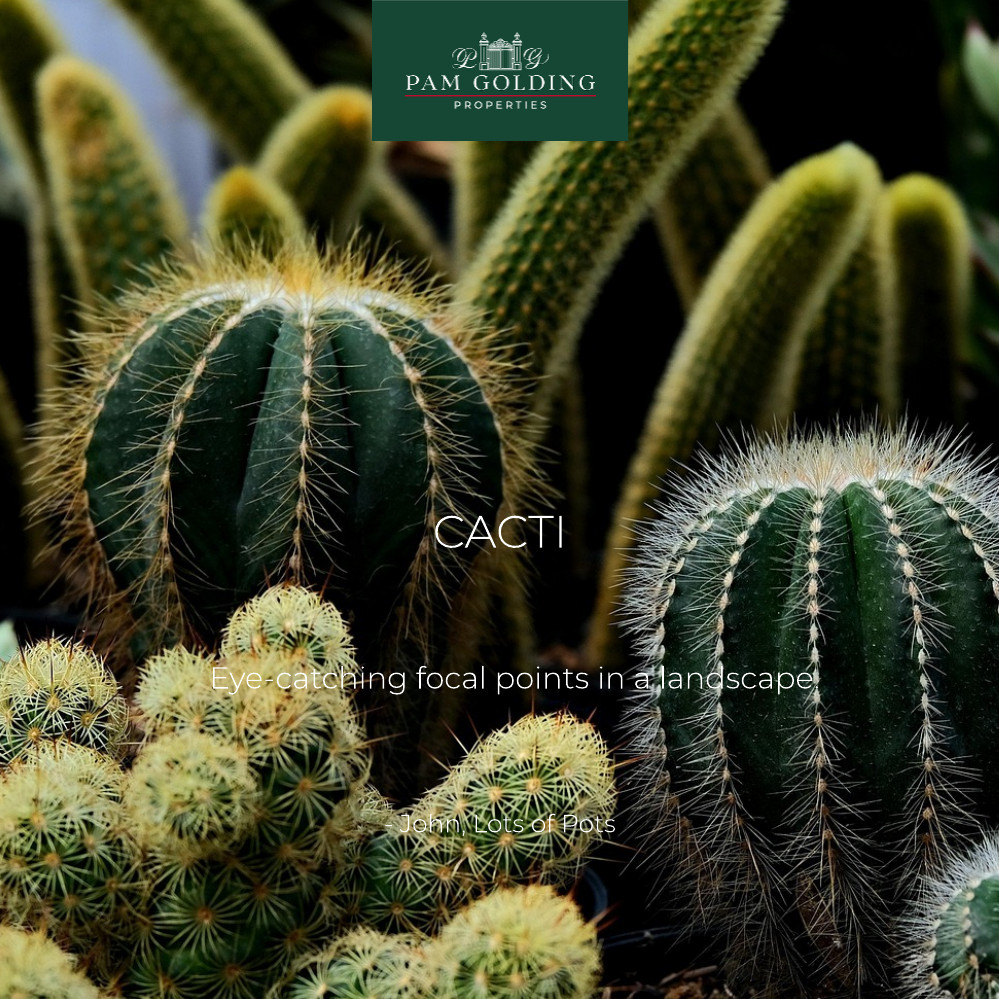
Cacti come in various shapes, sizes and textures, adding a unique aesthetic to gardens. Cacti are known for their hardiness and require minimal watering and maintenance once established. Incorporate cacti with contrasting colors and flower shapes to highlight the rugged beauty of the stones.
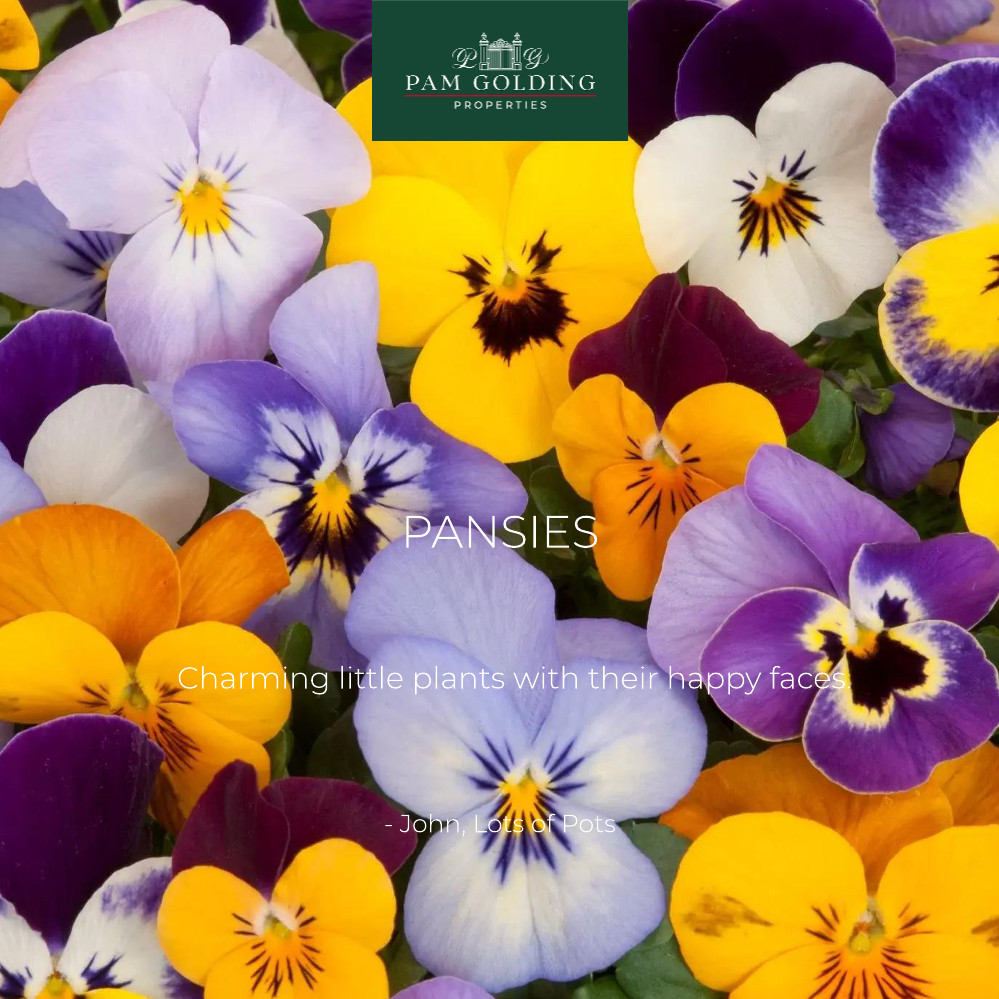
Pansies will flower best in full sun but will tolerate light shade. Gorgeous in mass plantings, the versatile pansy also does extremely well in containers including hanging baskets and planter boxes. Pansies can bloom for several months depending on temperatures and growing conditions. To make sure they bloom as long as possible, keep them well irrigated and fertilize regularly. Deadhead whenever necessary by snipping off the stem to the base of the foliage.
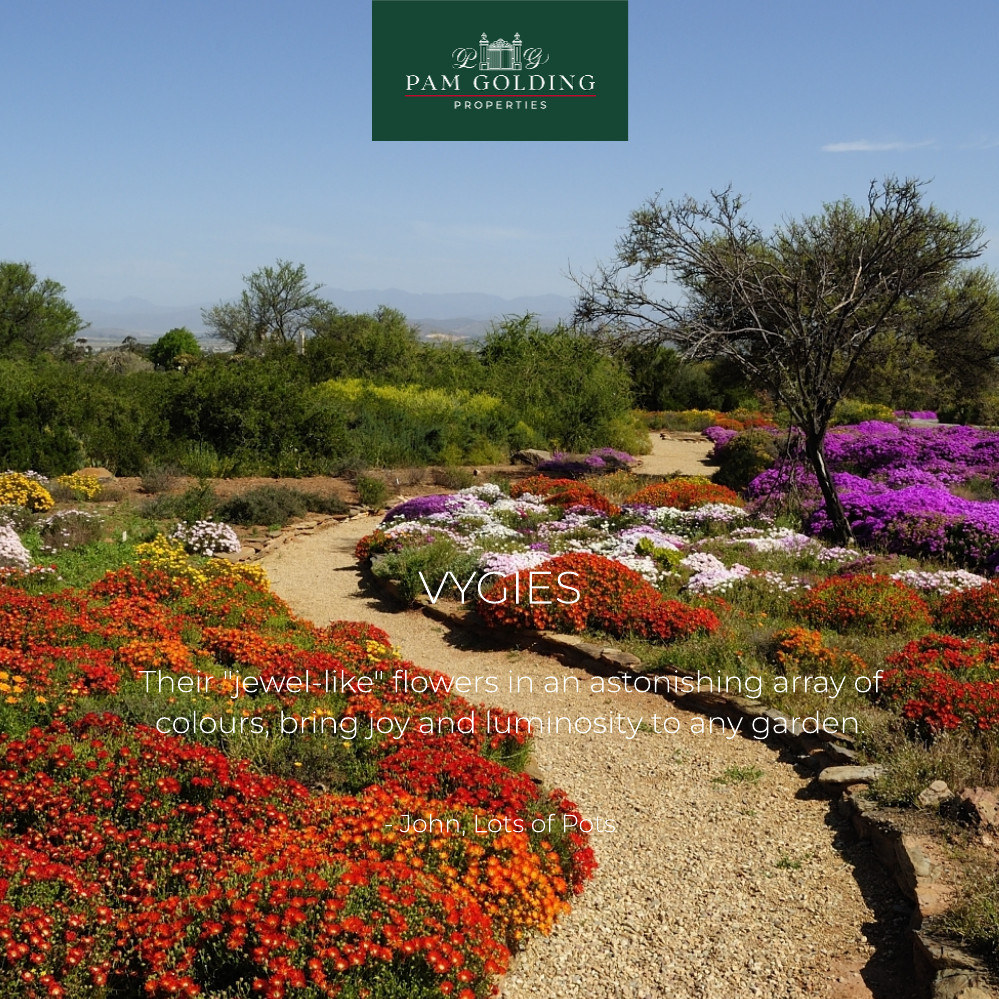
Plant vygies to add vibrant, rainbow-colored, daisy-like flowers to your garden. Their cheerful blooms are a favourite for bees and butterflies, which helps support local biodiversity in your garden. Vygies are easy to care for, forming dense mats that help suppress weeds and add beauty with minimal fuss. Vygies are ideal for various garden designs, from rock gardens and borders to cascading over walls, used as groundcover or in mixed containers. Get in touch with John from Lots of Pots for more details.
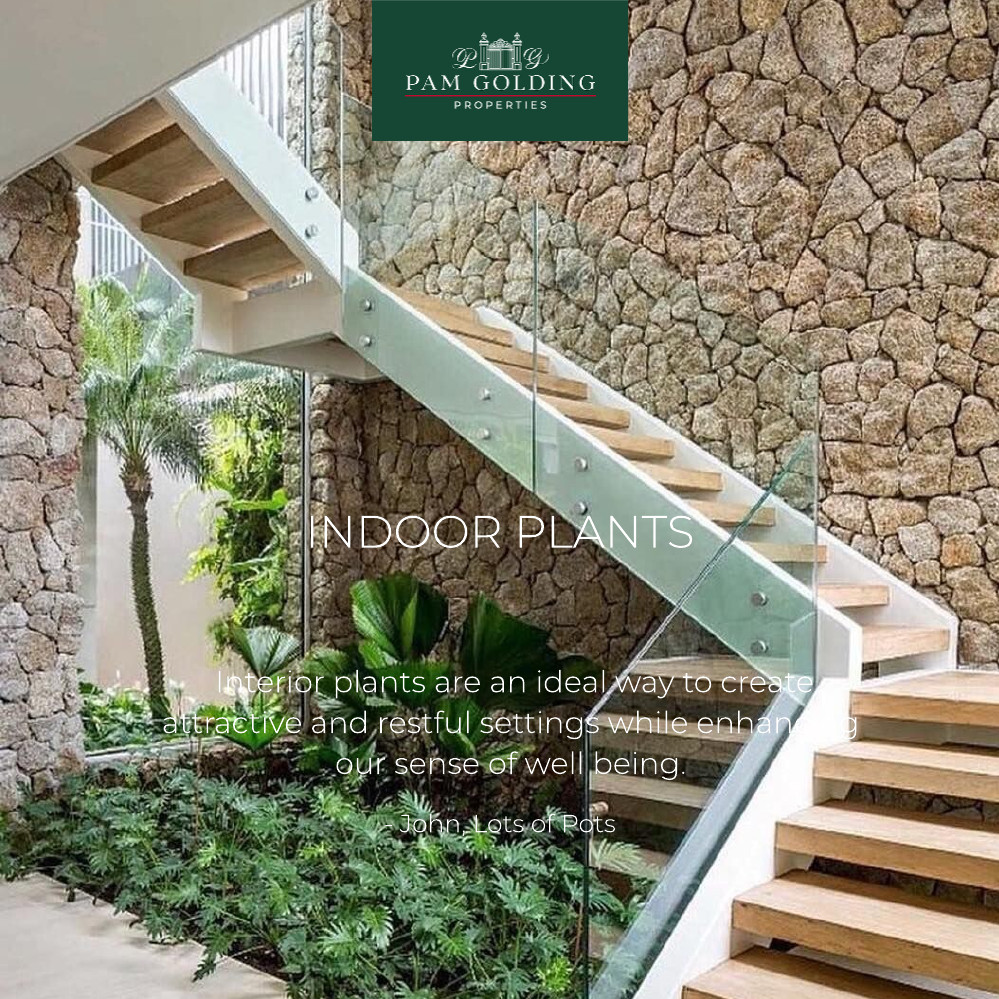
Indoor plants are a great way to enhance interior design by adding visual interest, improving air quality, and promoting a sense of well-being. They can be used to create focal points, soften architectural features, and bring a touch of nature indoors.
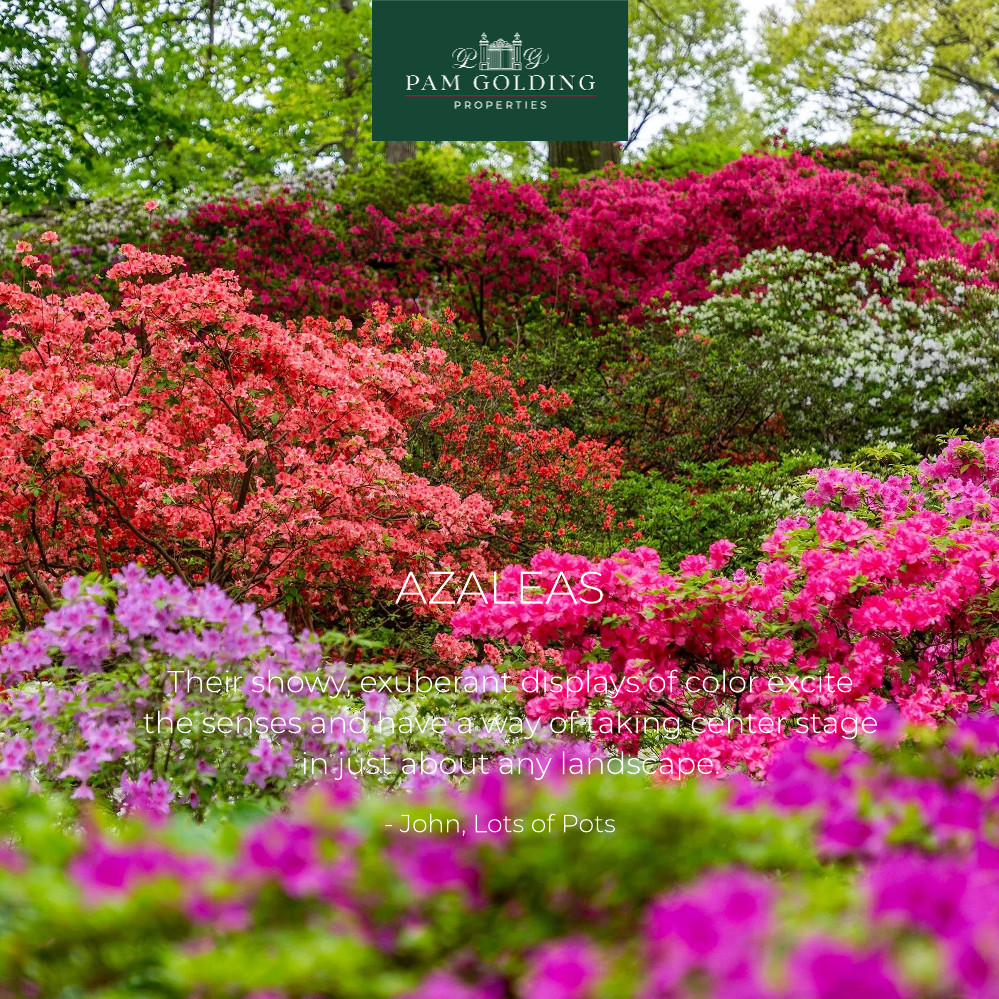
Very few shrubs flower so profusely that one can hardly see the leaves. Their beautiful spring flowers, vibrant colours and attractive glossy foliage adds structure and interest to any garden year-round. Azaleas can be clipped to form shade hedges or balls and as lollipops they add instant height in small spaces, while their relative ease of care and pest resistance makes them a good choice for gardeners of all skill levels. Remember to plant Gladioli, Liatris and Dahlias. This is also a good time to sow cosmos.
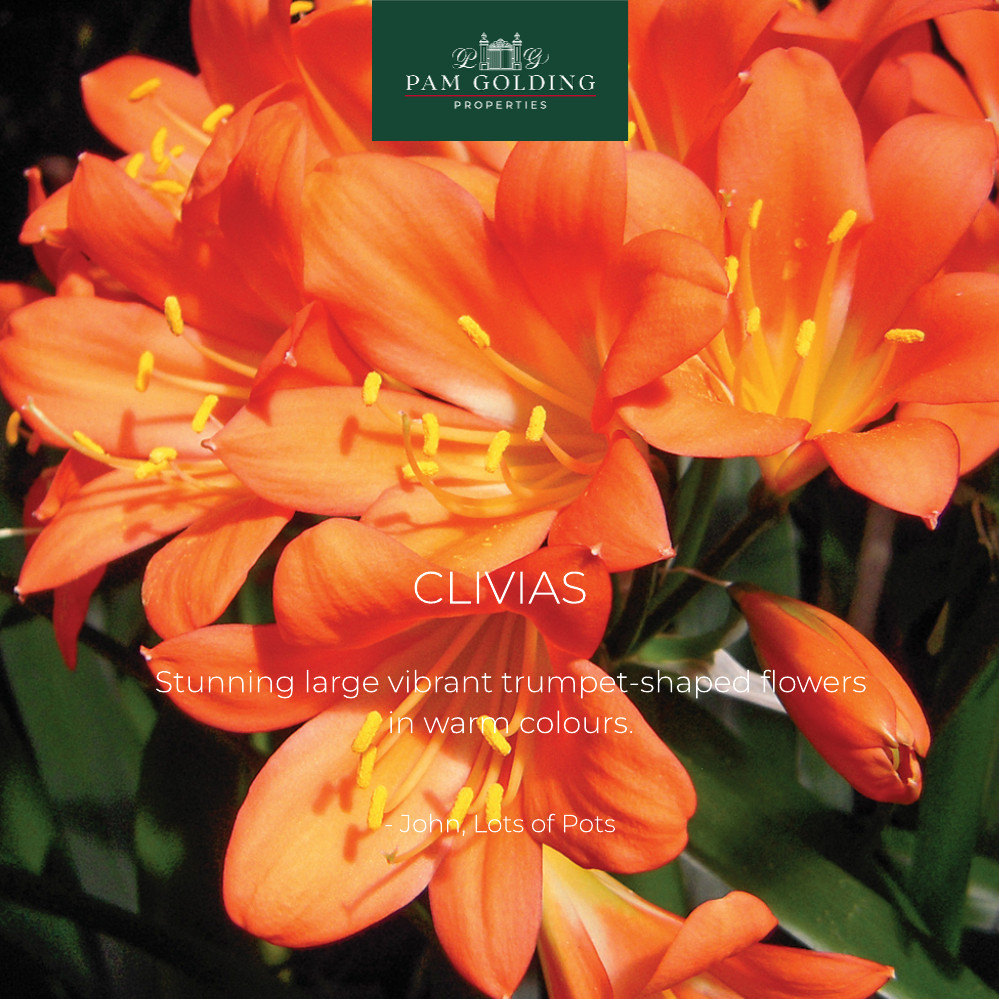
Clivias are indigenous and versatile with year-round evergreen foliage. They are low-maintenance, thrive in shady spots both indoors and outdoors and are relatively water-wise once established. They naturally multiply, allowing for easy propagation by division to share with friends and family.
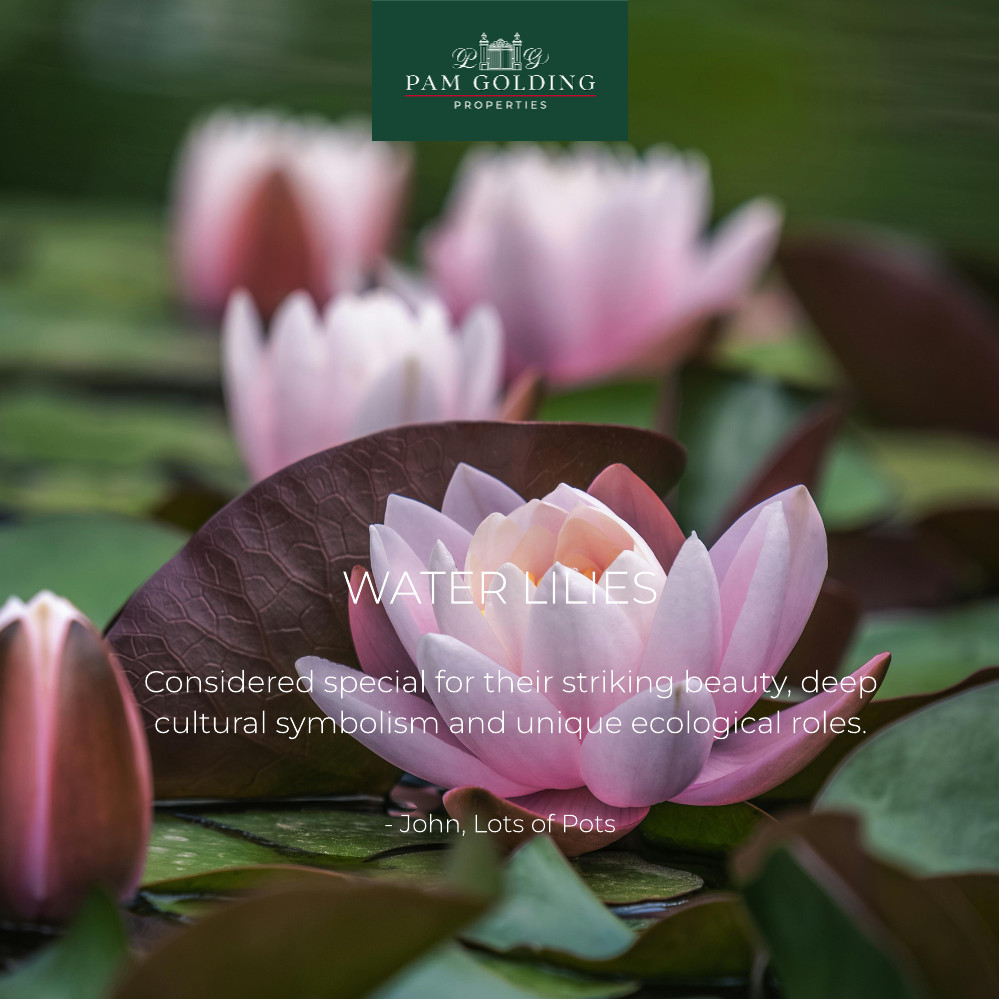
Water lilies have unique adaptations for aquatic life, such as round, waxy leaves that float on the water’s surface and help provide shade and shelter for fish. Their flowers can generate their own heat to attract pollinators and they play an important role in filtering water and controlling algae growth. Water lilies contribute to the health of ponds and lakes by cooling the water, absorbing pollutants and providing habitat and food for aquatic wildlife. Their presence supports biodiversity and helps maintain a balanced aquatic ecosystem.